


Scroll To

The Power of Water

The power of water to build a cleaner, greener future

As Iceland continues to lead the world in sustainable energy production, it serves as a model for how we can harness the power of water to build a cleaner, greener future for all.

Pure Water

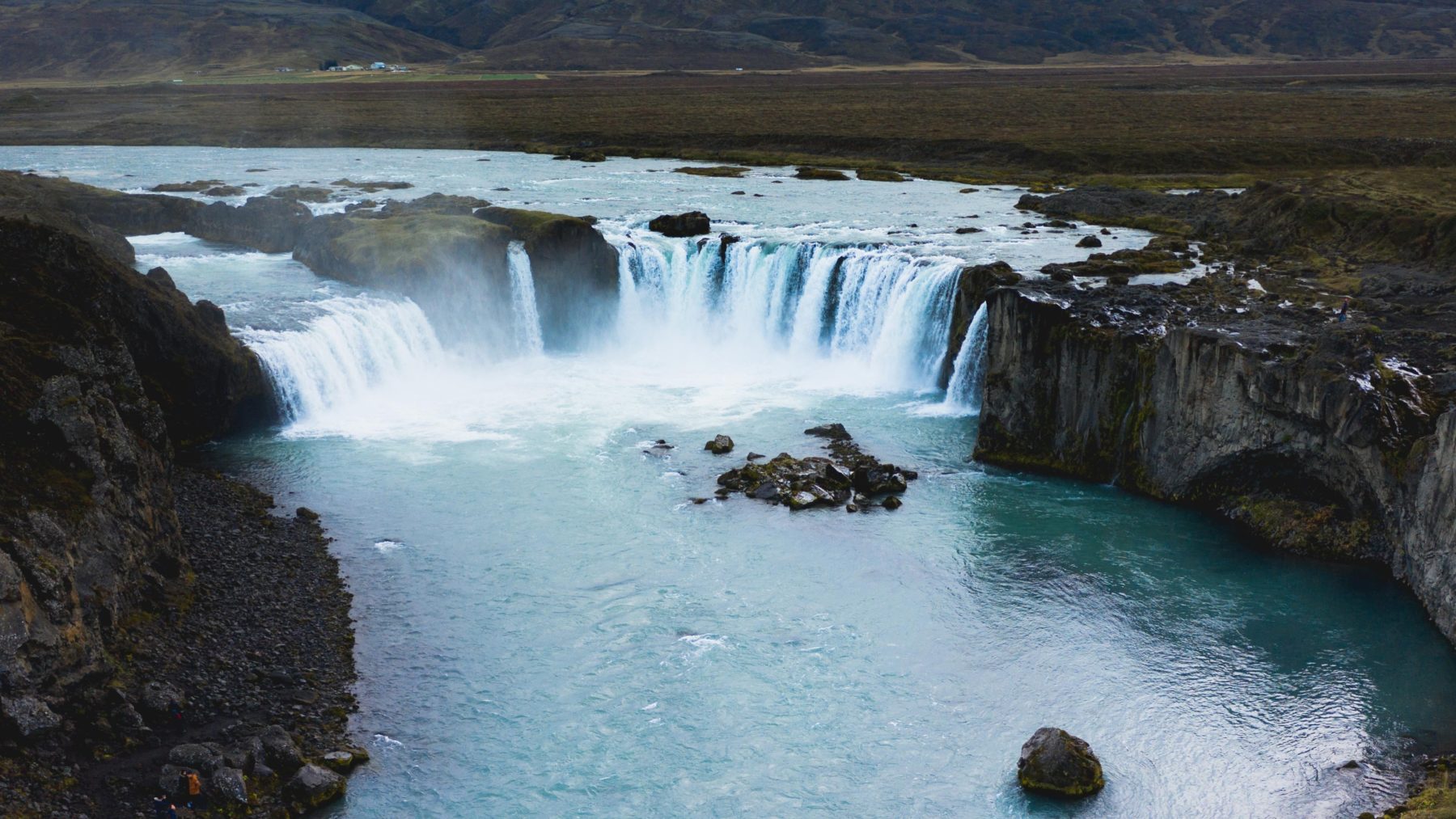
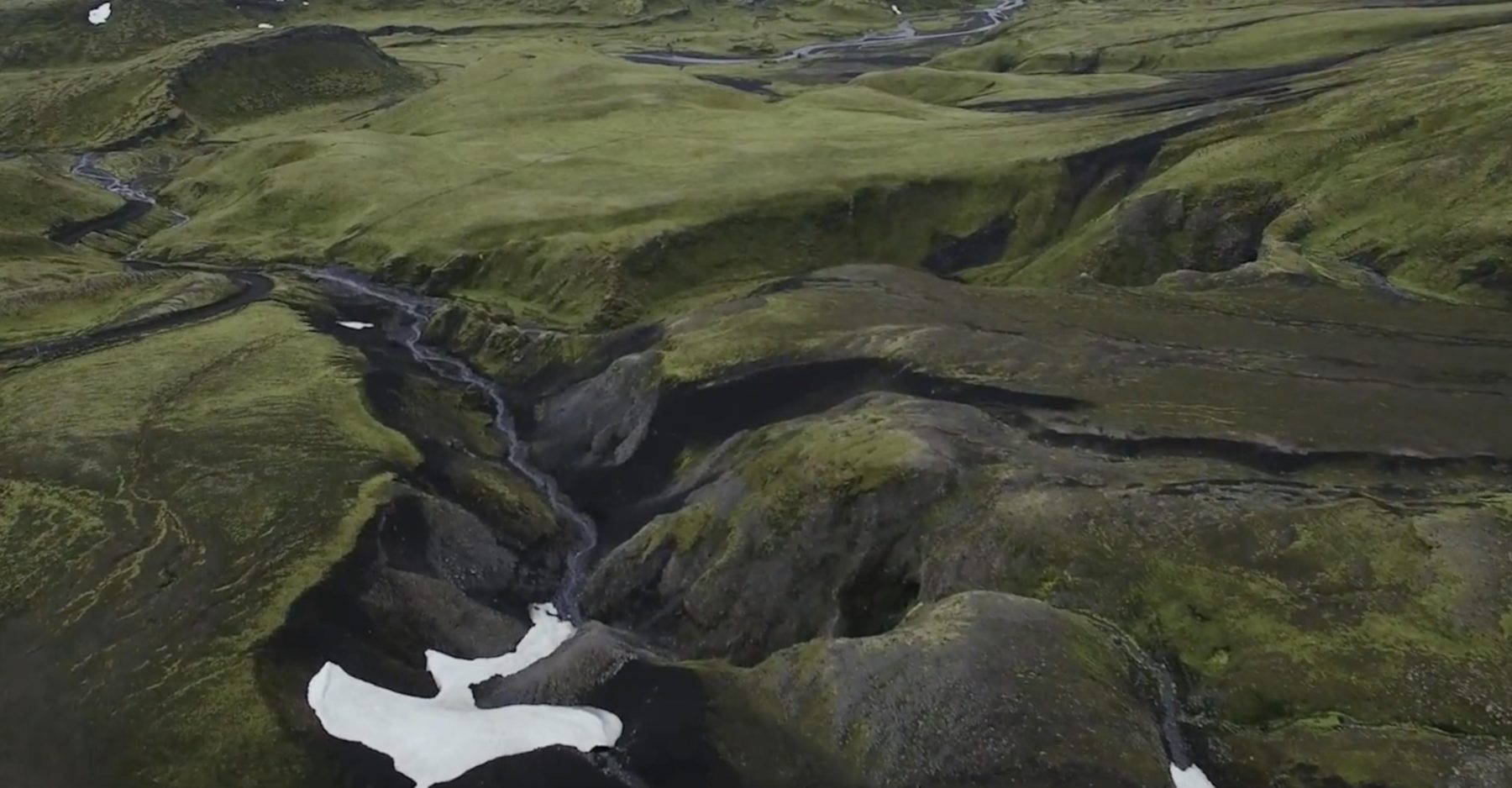
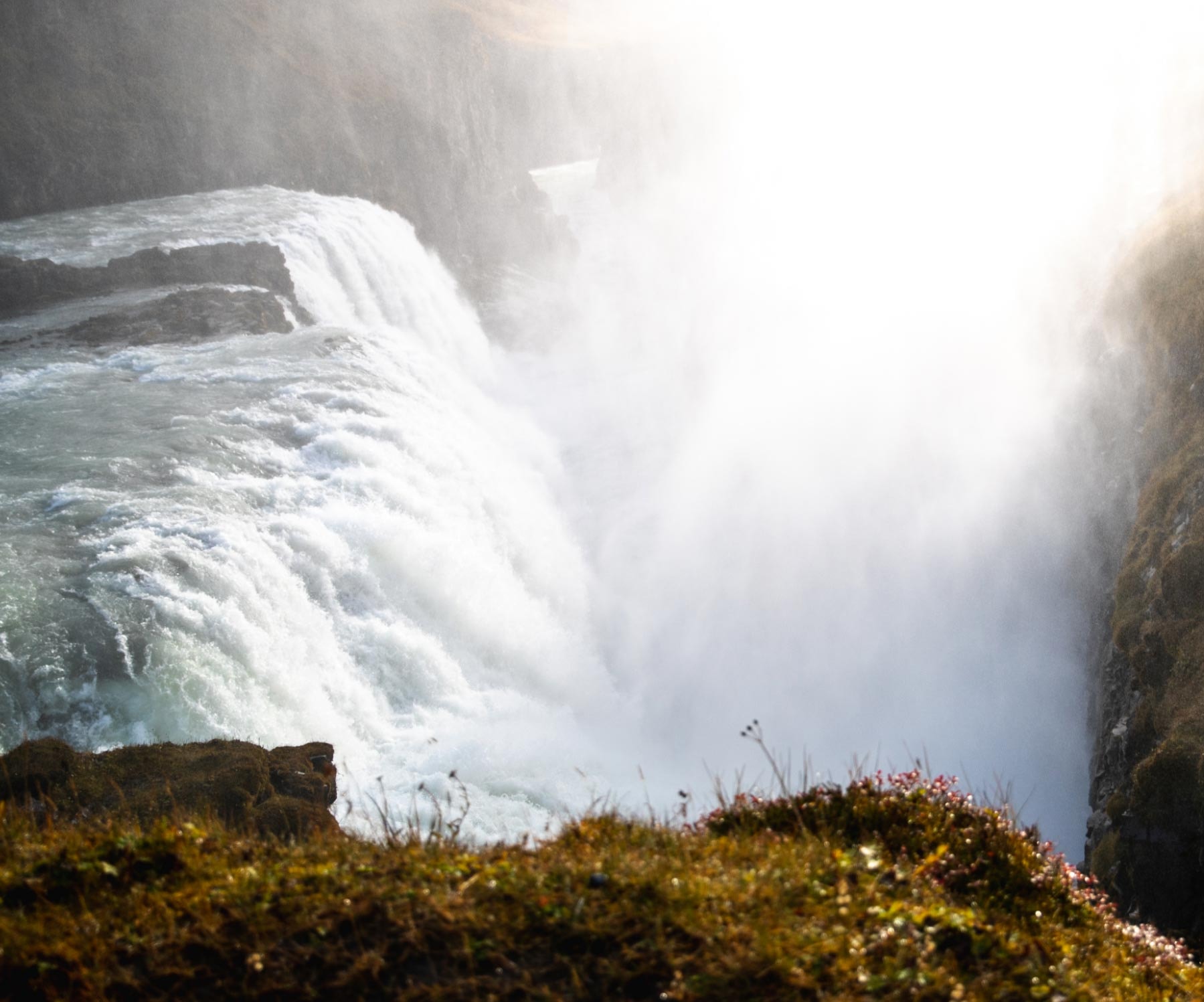
Iceland is known for its many rivers, lakes, and waterfalls due to its unique geology. The island sits atop the Mid-Atlantic Ridge, a massive underwater mountain range that separates the Eurasian and North American tectonic plates. This geological activity has created a hotbed of volcanic activity, geothermal energy, and natural hot springs, all powered by water.

Water is a vital part of Iceland’s economy. The country is a leader in geothermal energy, harnessing the power of hot water and steam to generate electricity and heat homes. Hydroelectric power is also an essential energy source, with many of Iceland’s rivers and waterfalls used to generate electricity.
Geothermal Power

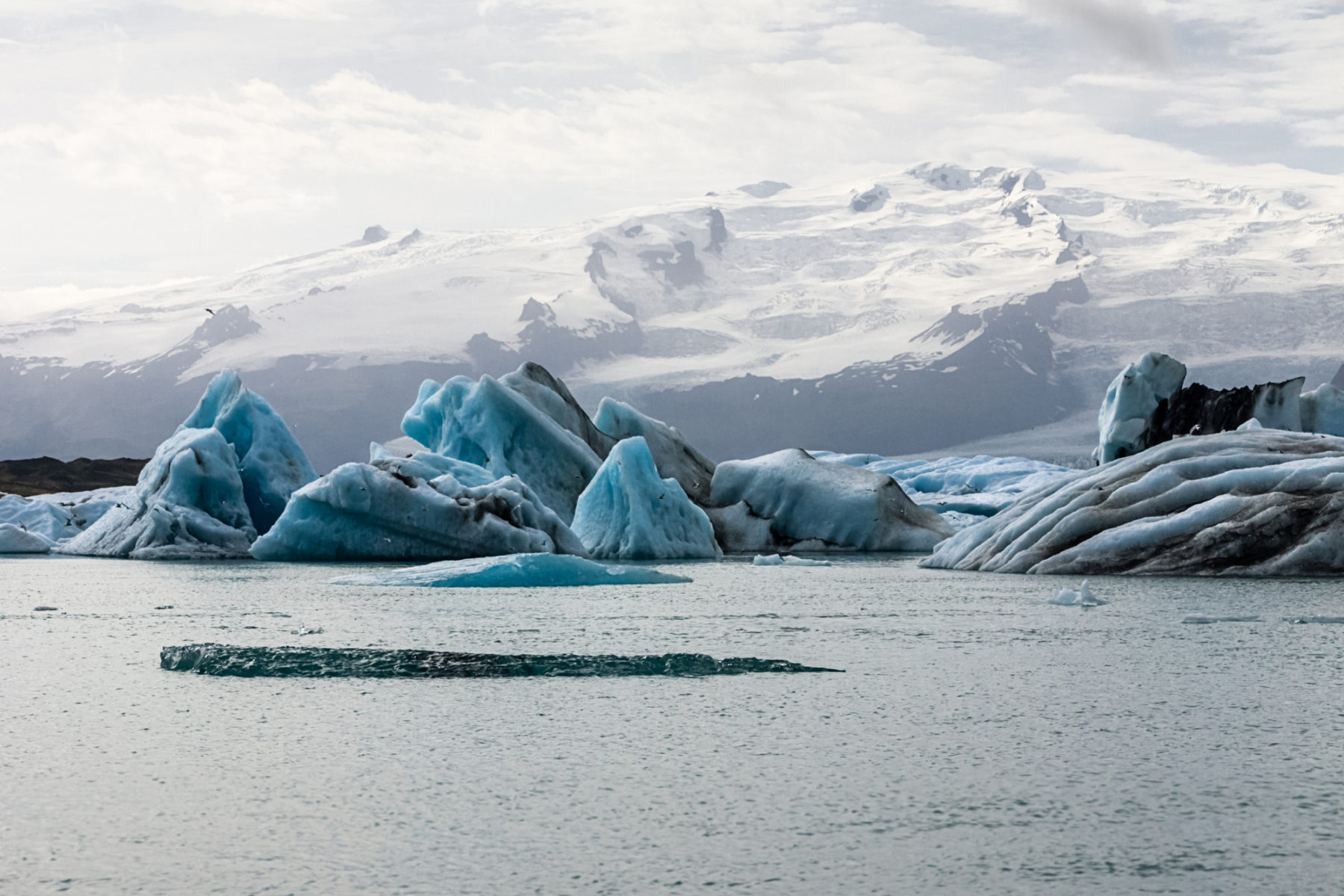
The volcanic island of Iceland is mainly known for its spectacular nature and unique geothermal energy sources.

With volcanoes, geysers, and hot springs, Iceland’s geothermal energy, extracted from the earth’s interior, is one of the most sustainable and reliable in the world. From heating homes to producing electricity, Icelandic engineers and scientists have been able to harness this powerful resource. With its impressive and environmentally friendly technology, Iceland has set a global standard for using geothermal energy and paved the way for a more sustainable future independent of fossil fuels. Geothermal energy in Iceland is crucial for food production, making it possible to grow fruits and vegetables all year round and produce food that would not normally be possible in the cold climate.

Hydro Power

Hydropower is a vital source of electricity in Iceland, providing the country with a reliable and sustainable energy supply. Hydropower has helped reduce Iceland’s dependence on fossil fuels, making the country a leader in the global fight against climate change.

Hydropower plants in Iceland are typically built near rivers or waterfalls where the natural flow of water can be diverted to turn turbines and generate electricity. The country has over 30 hydroelectric power plants, ranging from small-scale installations to larger facilities that generate hundreds of megawatts of electricity.

Hydropower has significantly influenced Iceland’s transition to renewable energy sources. In fact, over 80% of the country’s electricity comes from renewable sources, with hydropower accounting for most of that. The use of hydropower has also helped reduce Iceland’s dependence on fossil fuels, making the country a leader in the global fight against climate change.

In conclusion, hydropower is a vital source of electricity in Iceland, providing the country with a reliable and sustainable energy supply. While there are challenges associated with its use, the benefits of hydropower are clear, making it an essential part of Iceland’s energy mix.

Cum sociis natoque penatibus et magnis dis parturient montes, nascetur ridiculus mus.

Decoration image